Kili Hope Organization Center - Kaloleni / Tanzania
Location
This is in Kaloleni Ward-Moshi MUNICIPALITY, Tanzania, close to the Kilimanjaro National Park.
This project is registered as NGO (Non-Governmental Organization). It
is about two kilometers southeast from the Moshi bus station.
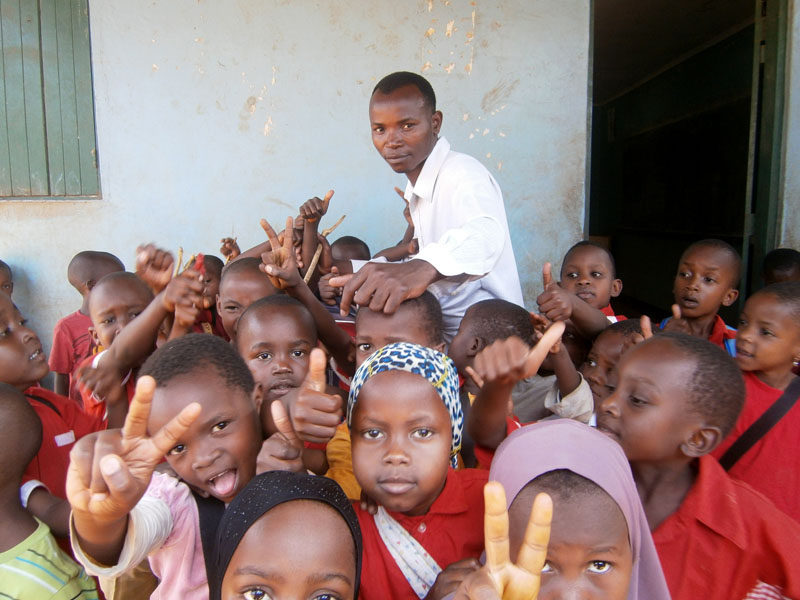
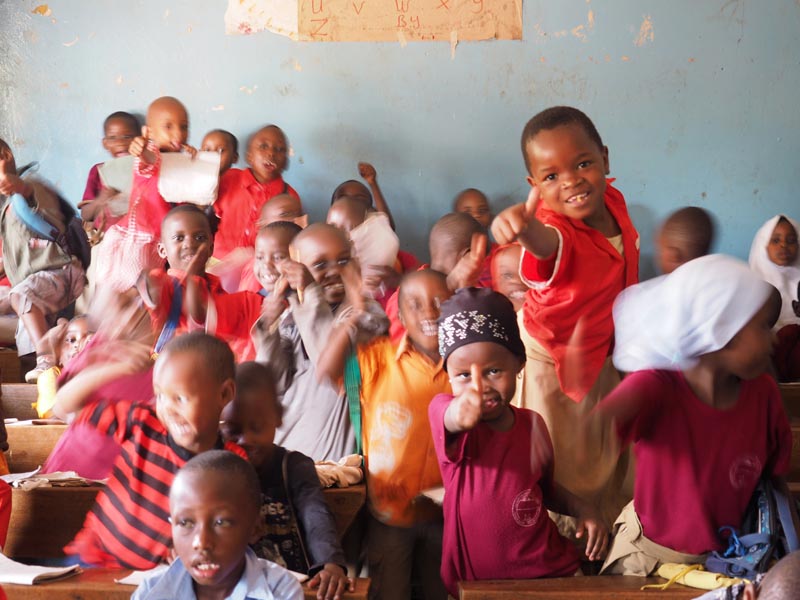
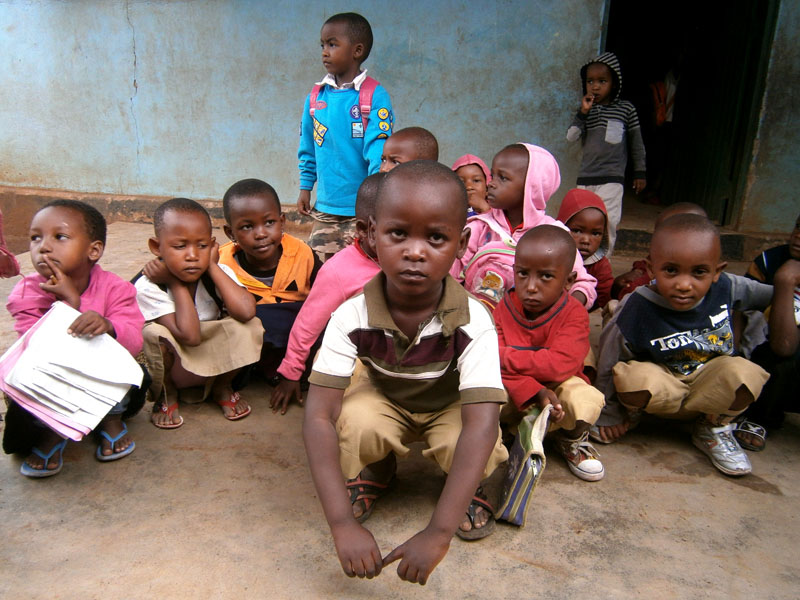
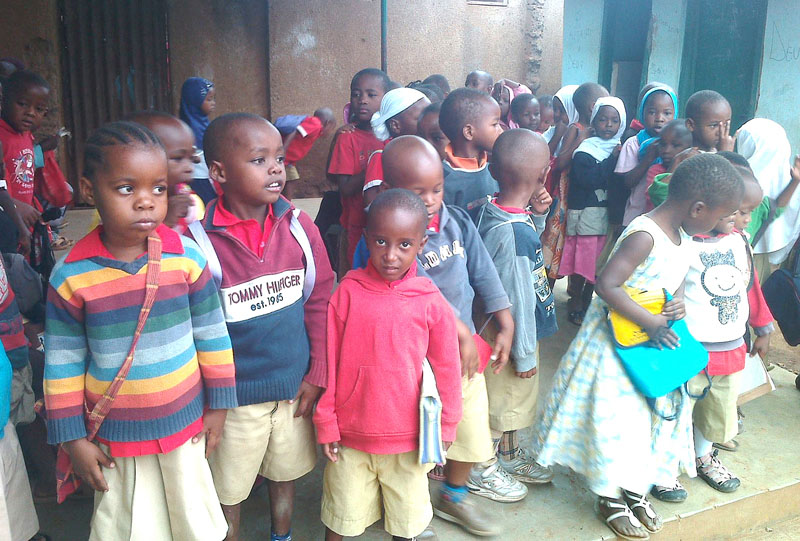
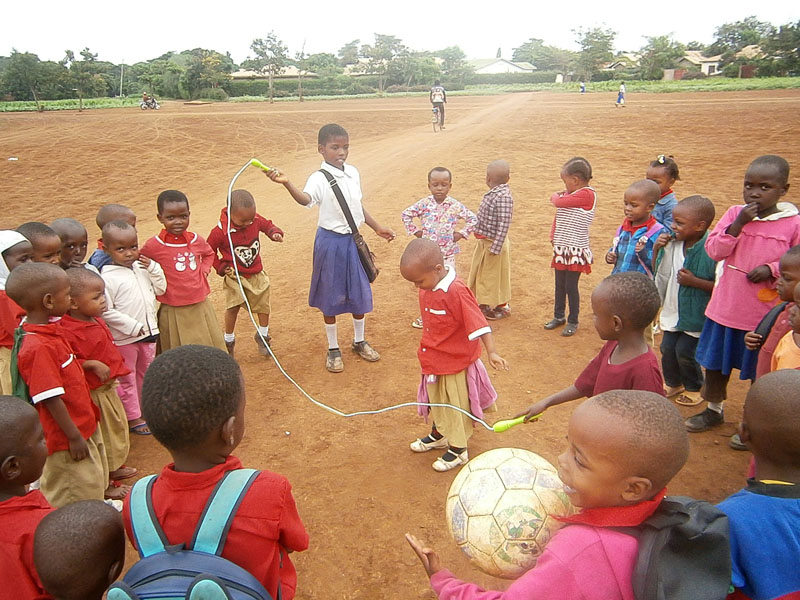
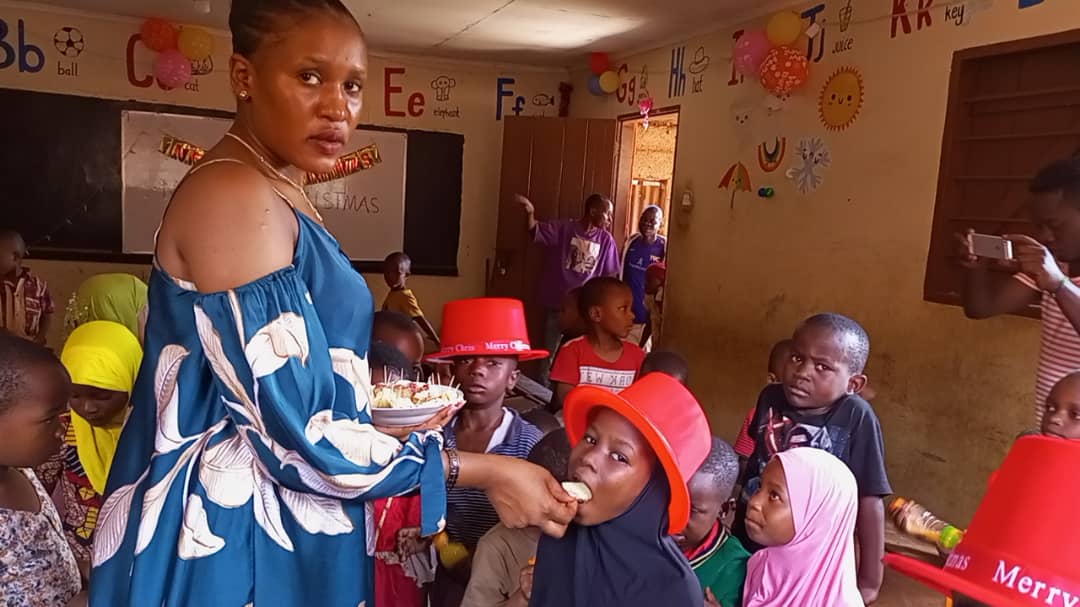
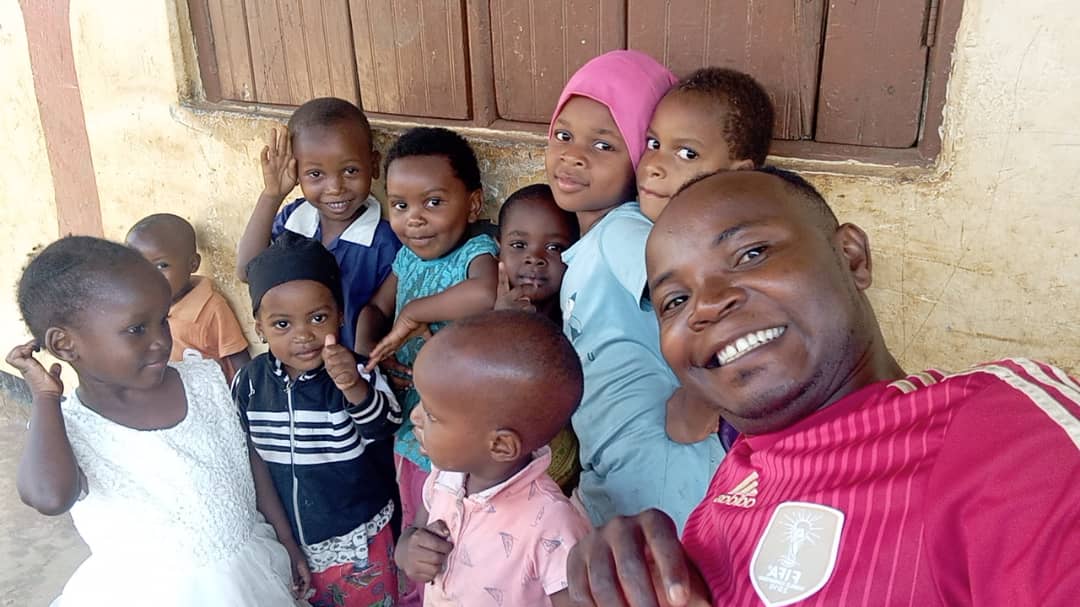
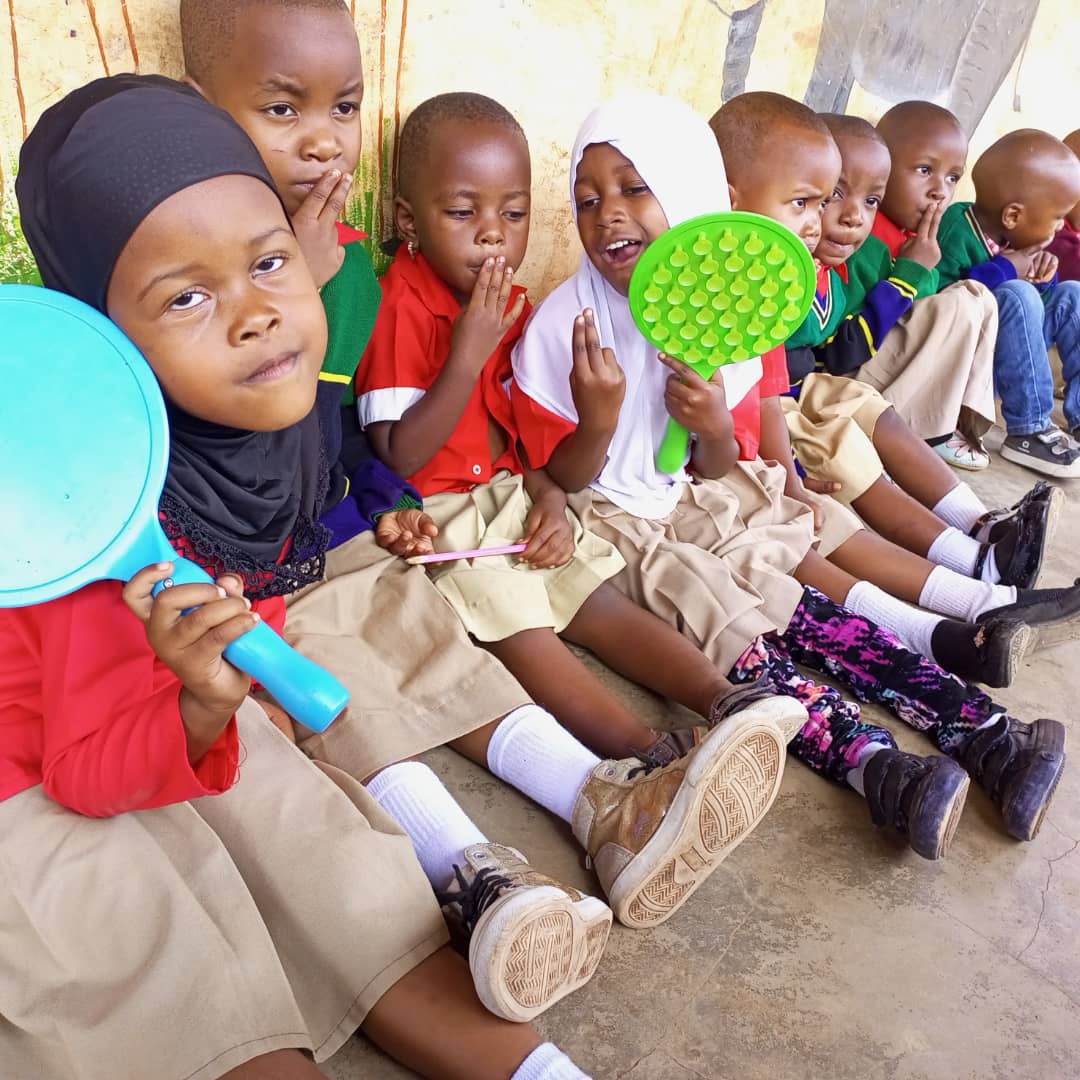
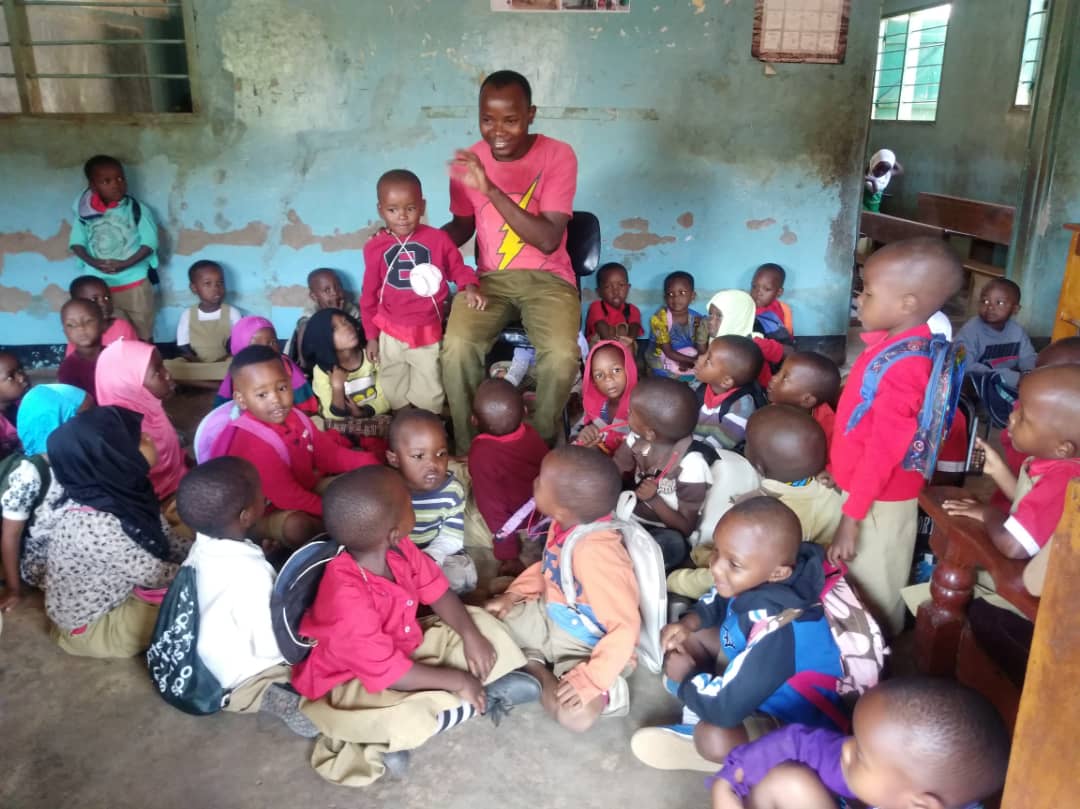
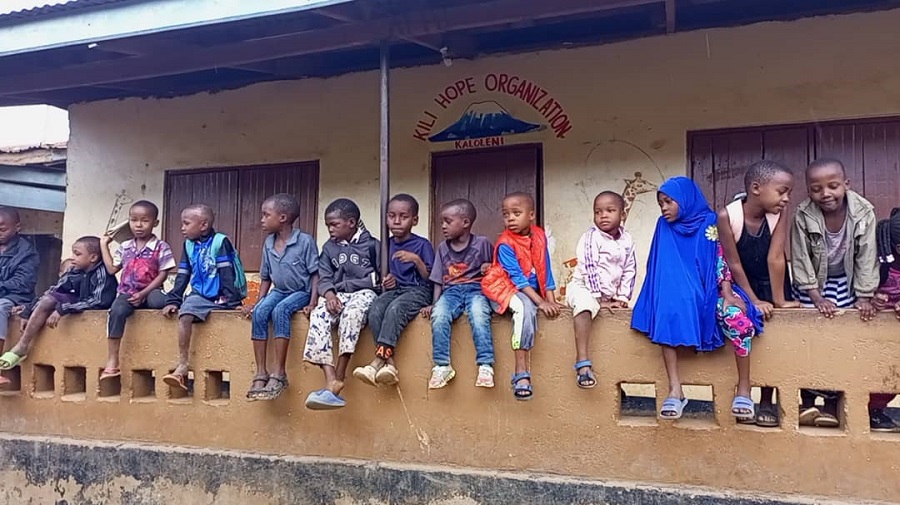
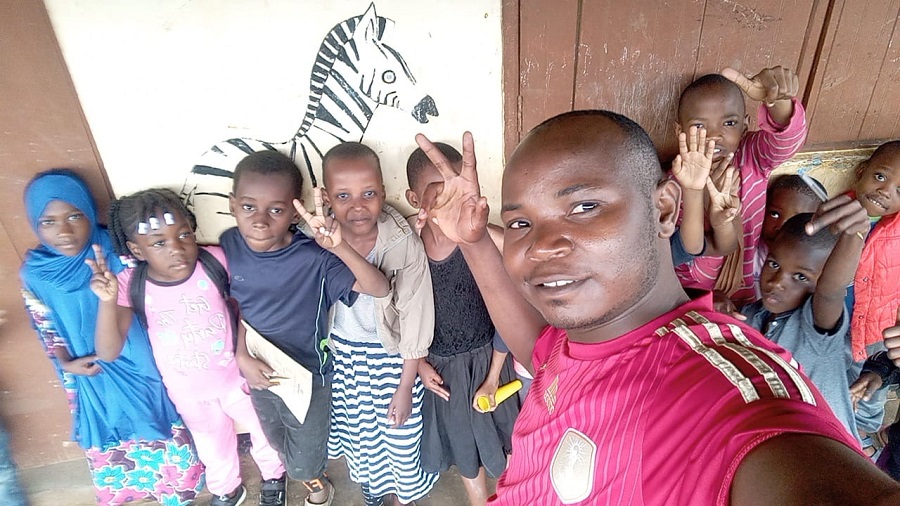
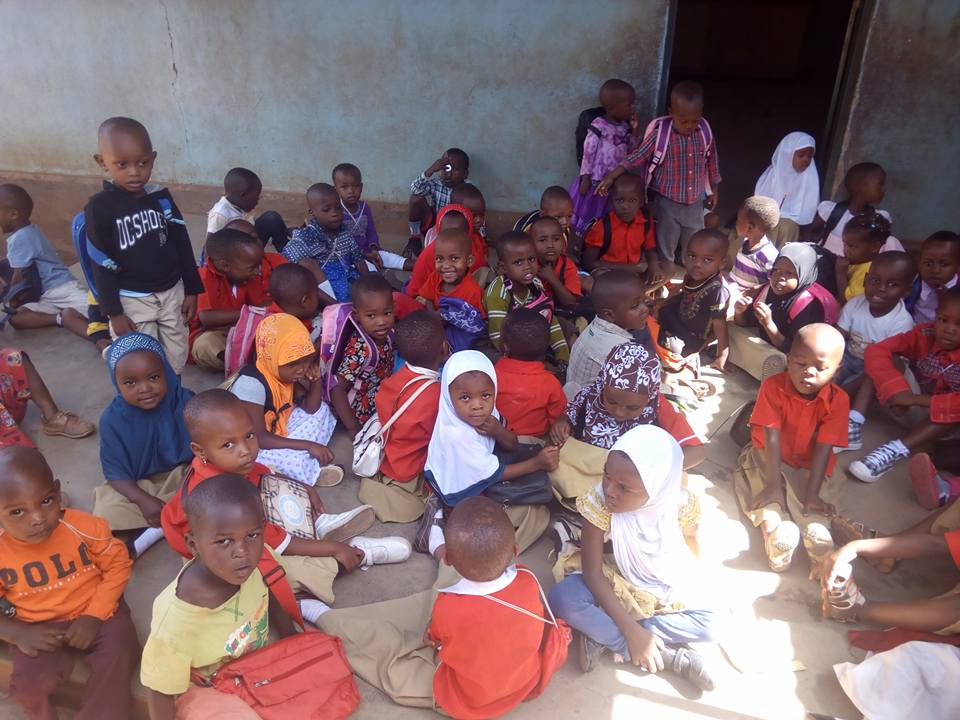
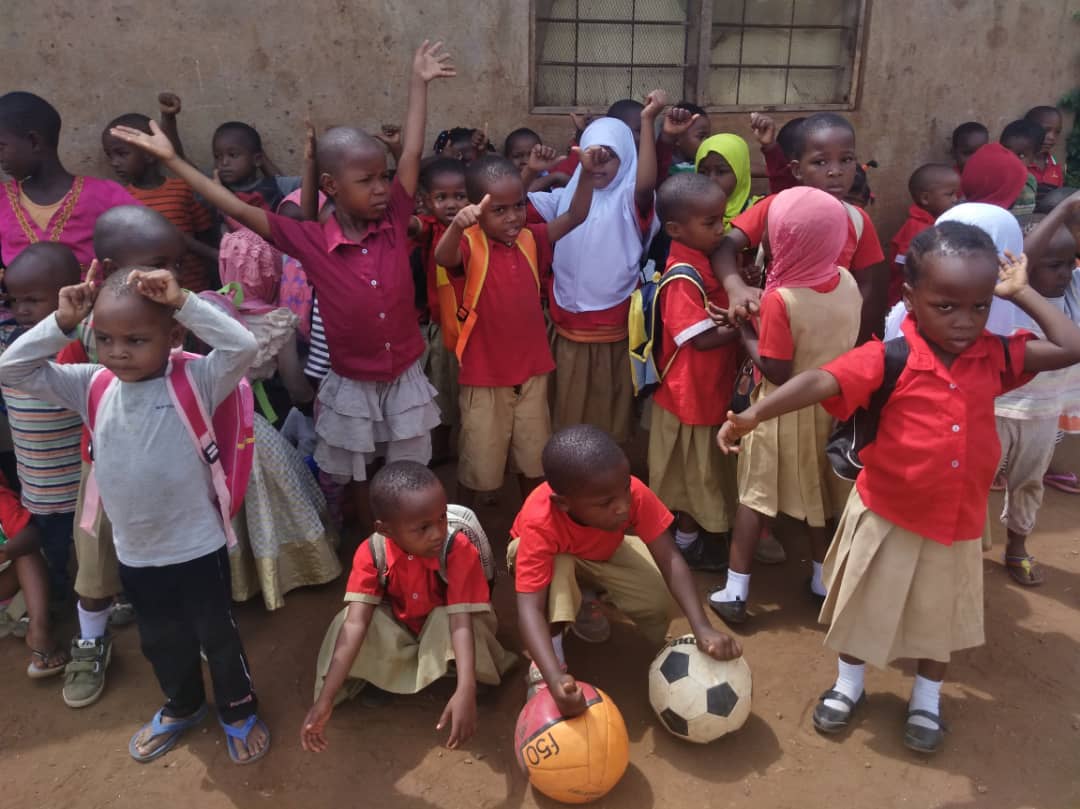
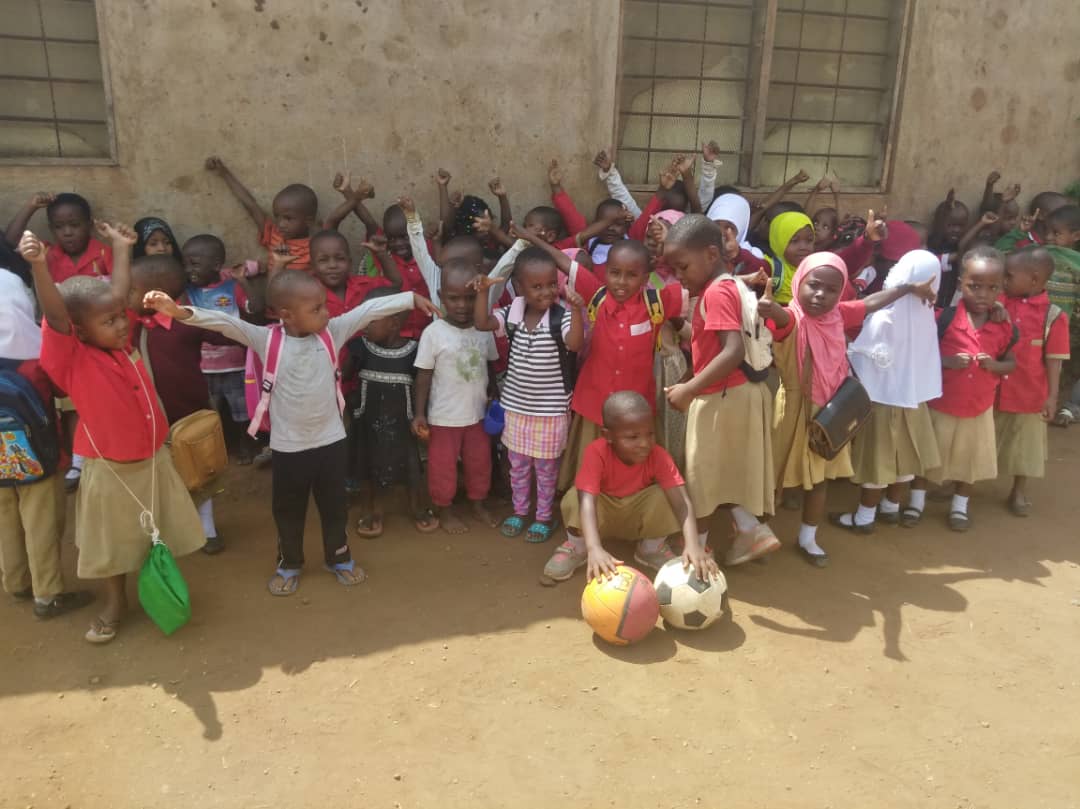
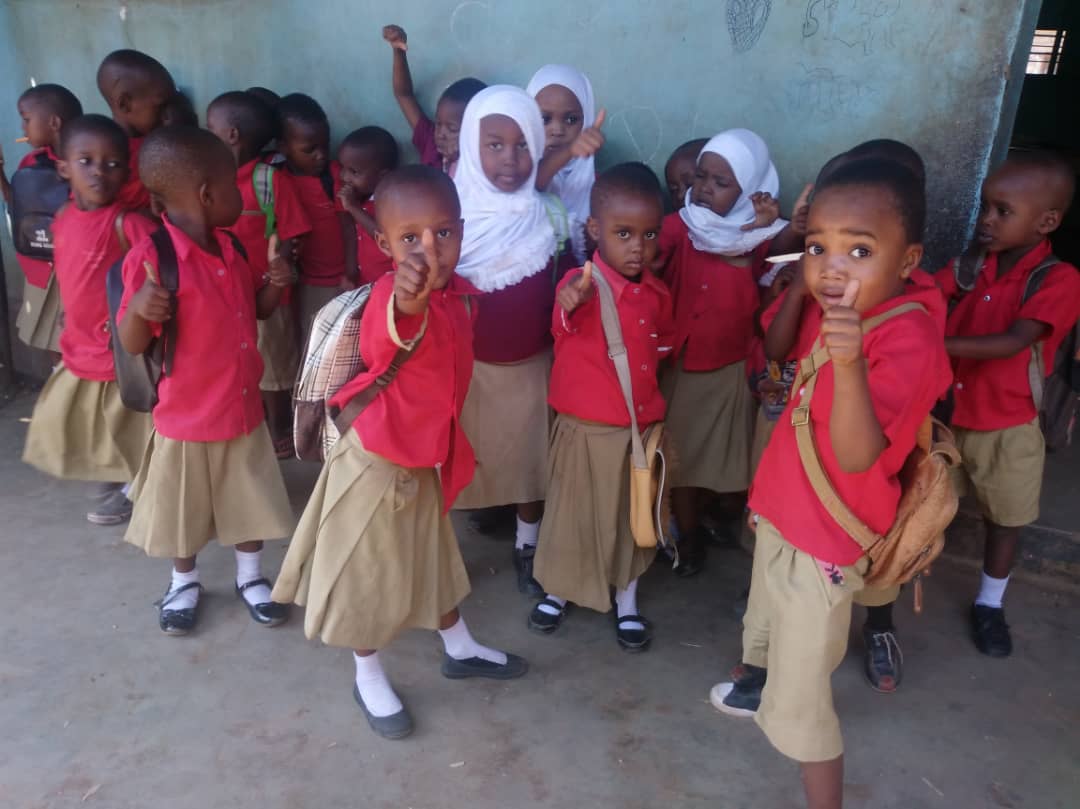
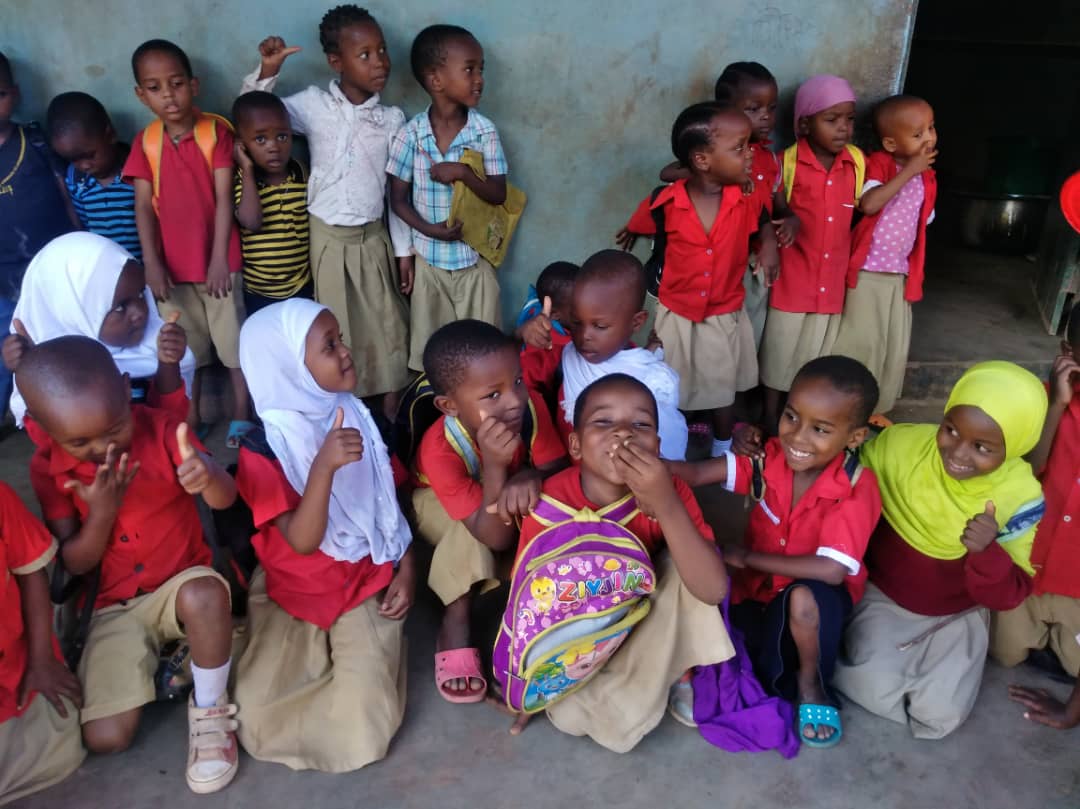
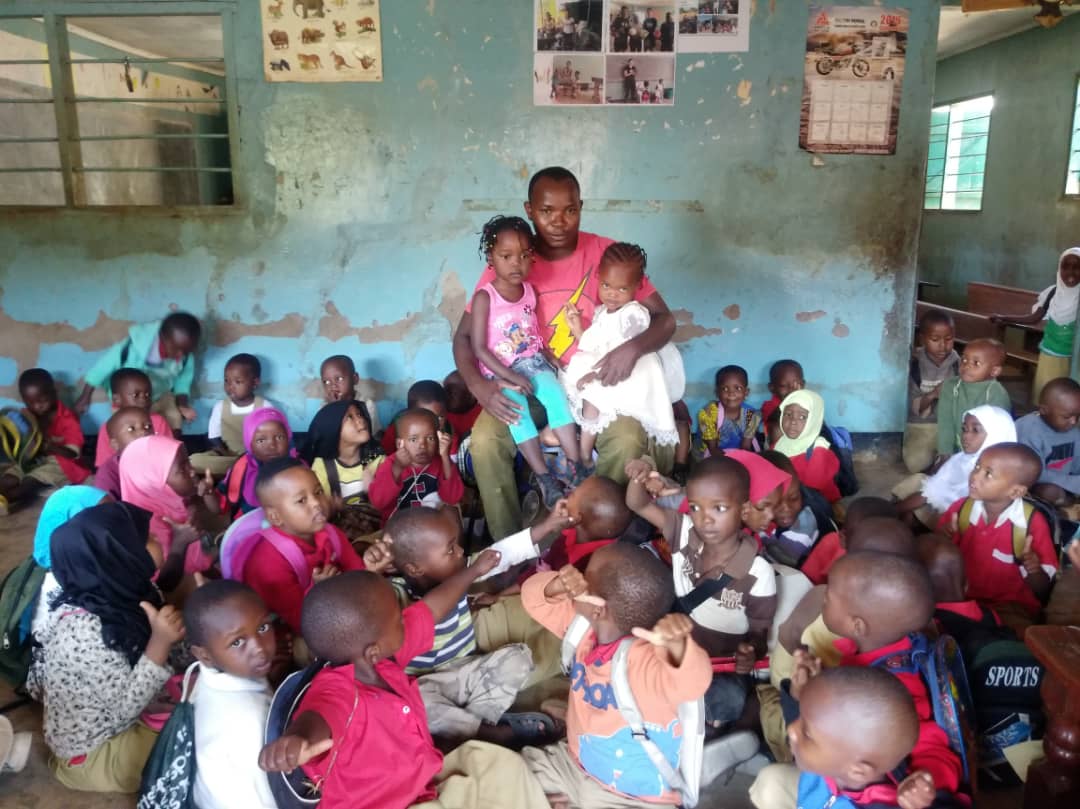
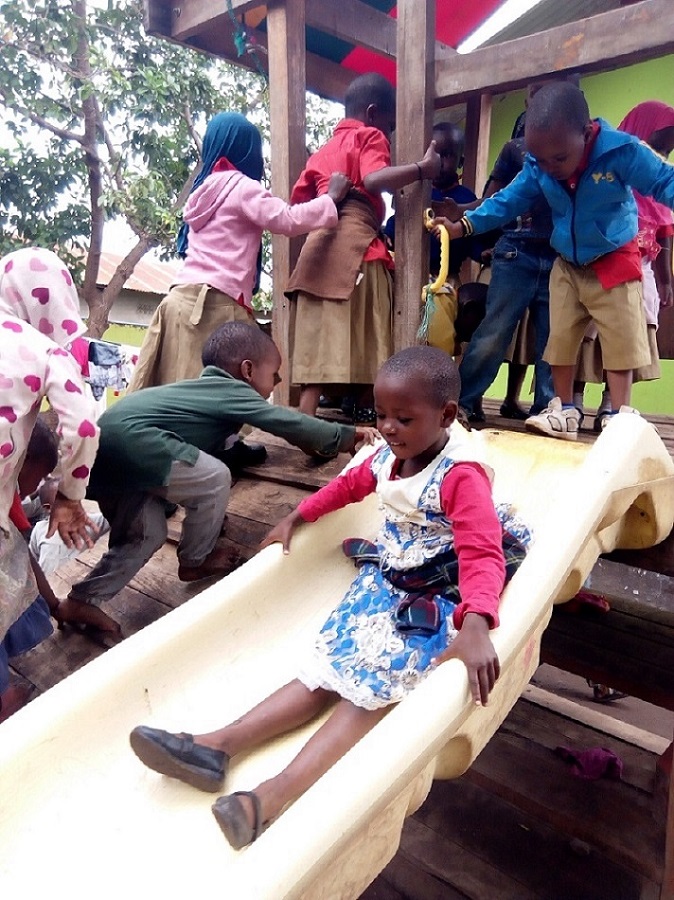
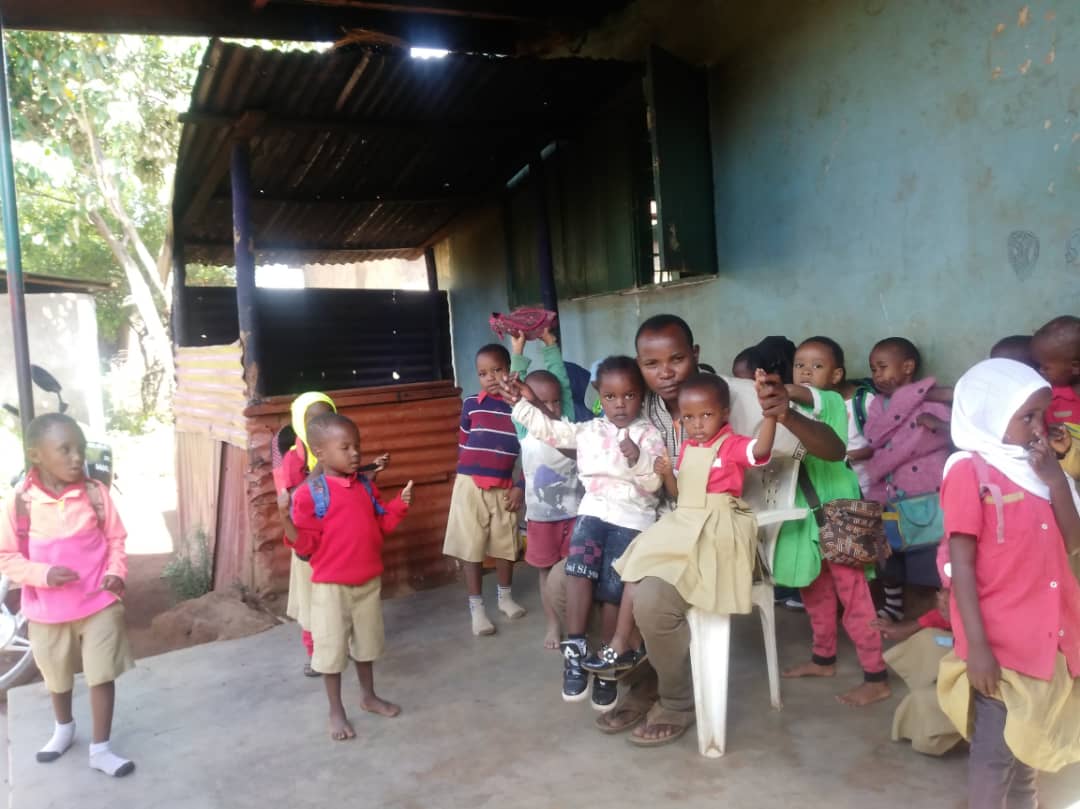
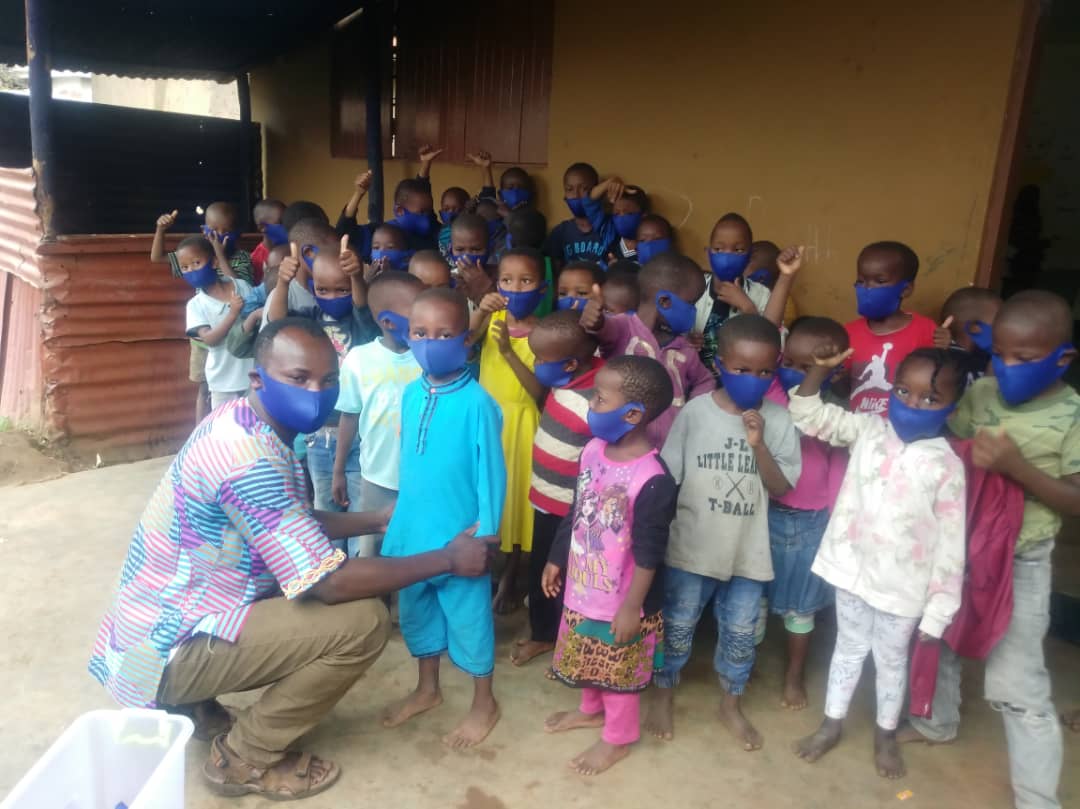
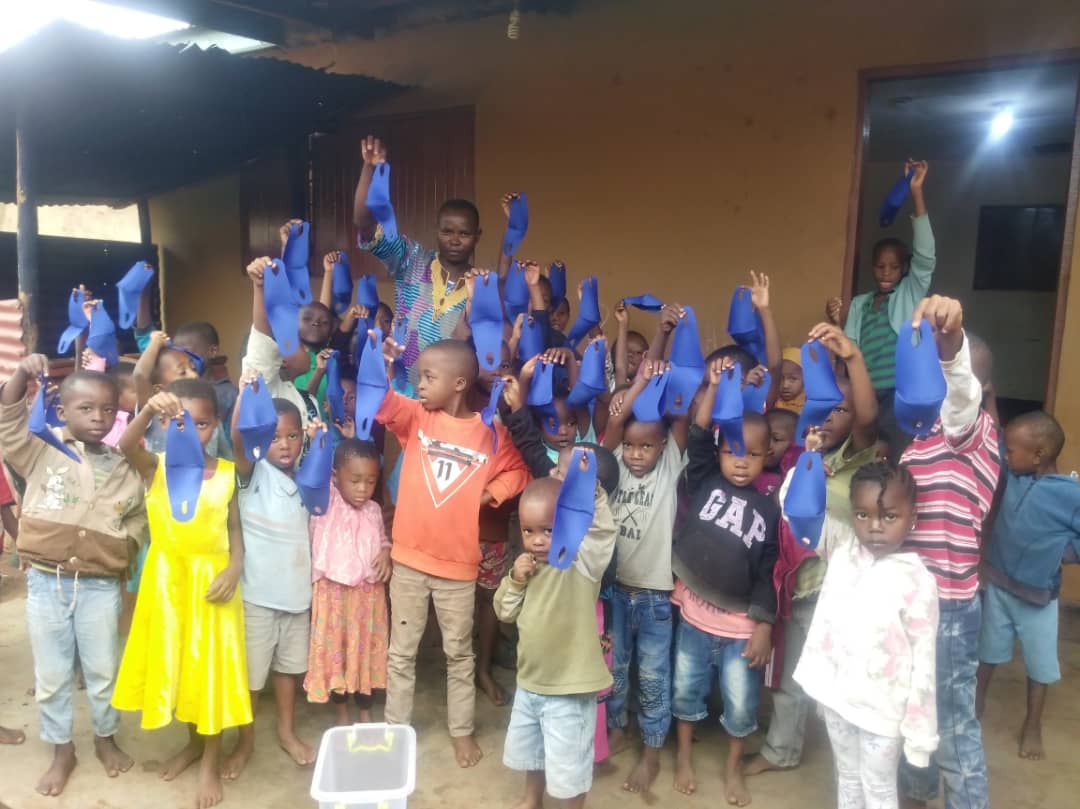
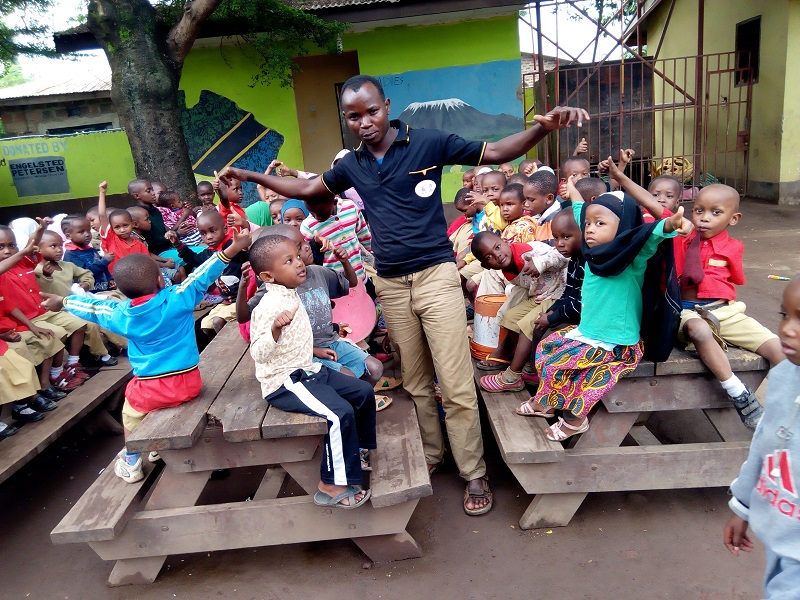
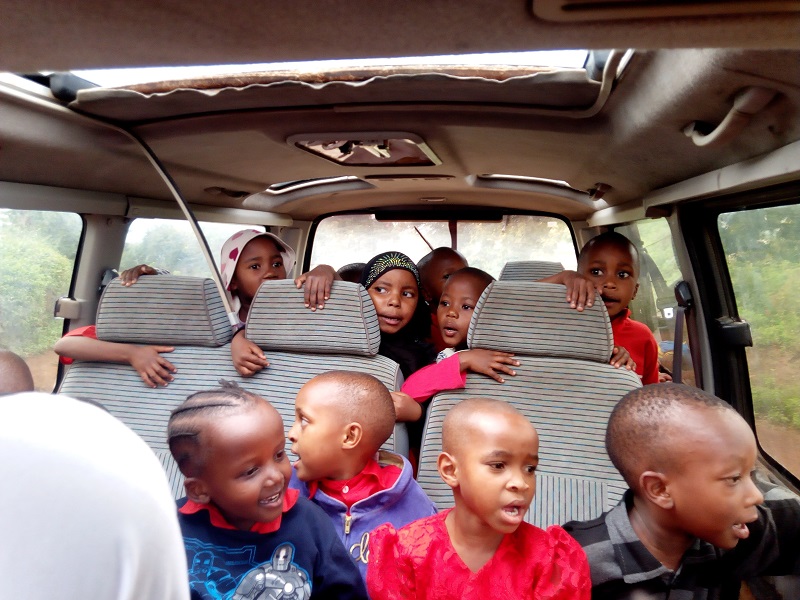
We have currently about one hundred kids between the ages of 4 and 5 enrolled in our school.
Project objectives
To provide nursery school education to children who are orphans or who come from problematic families (vulnerable children).
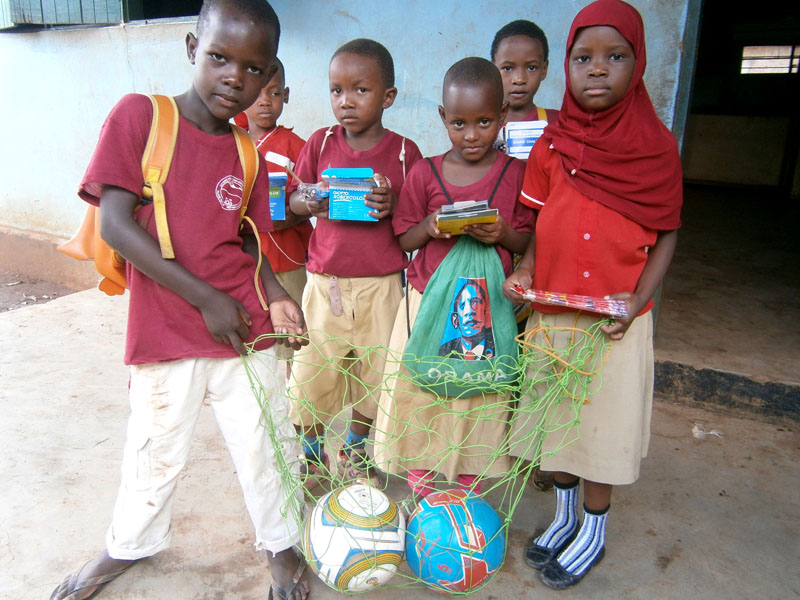
To help to provide school facilities such as school uniforms, textbooks, pencils, teaching aids, computer skills,
desks and sports equipment for the children.
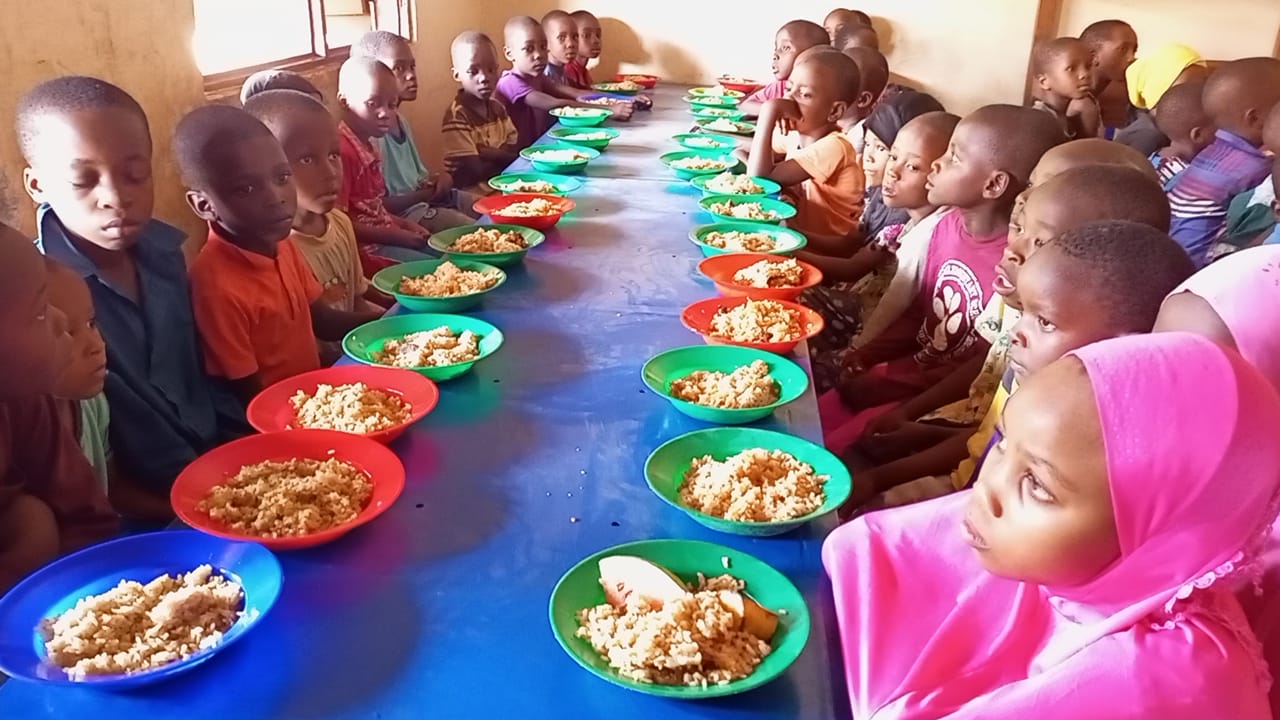
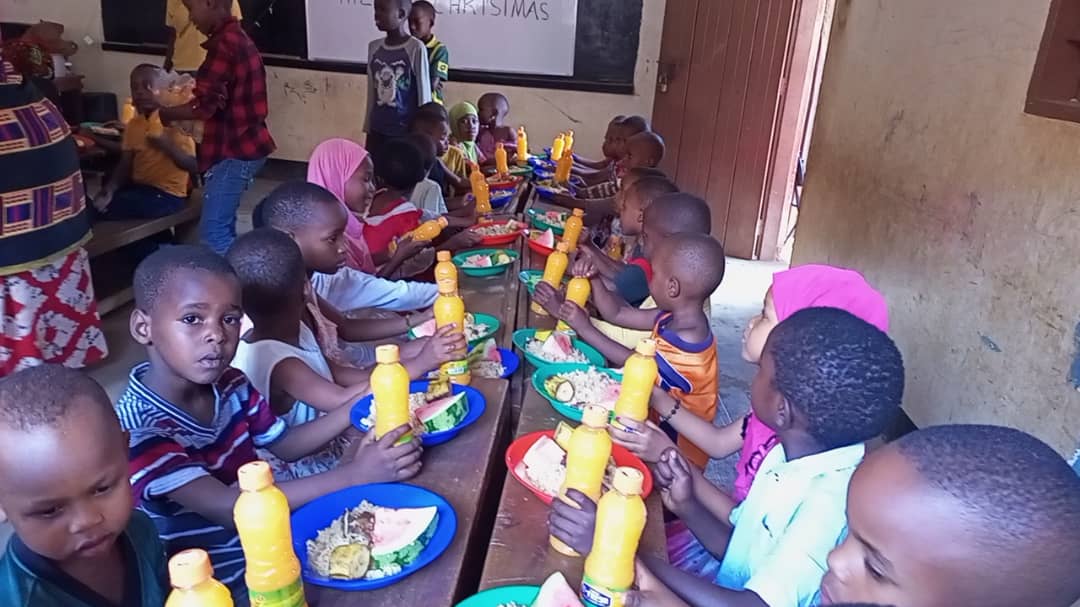
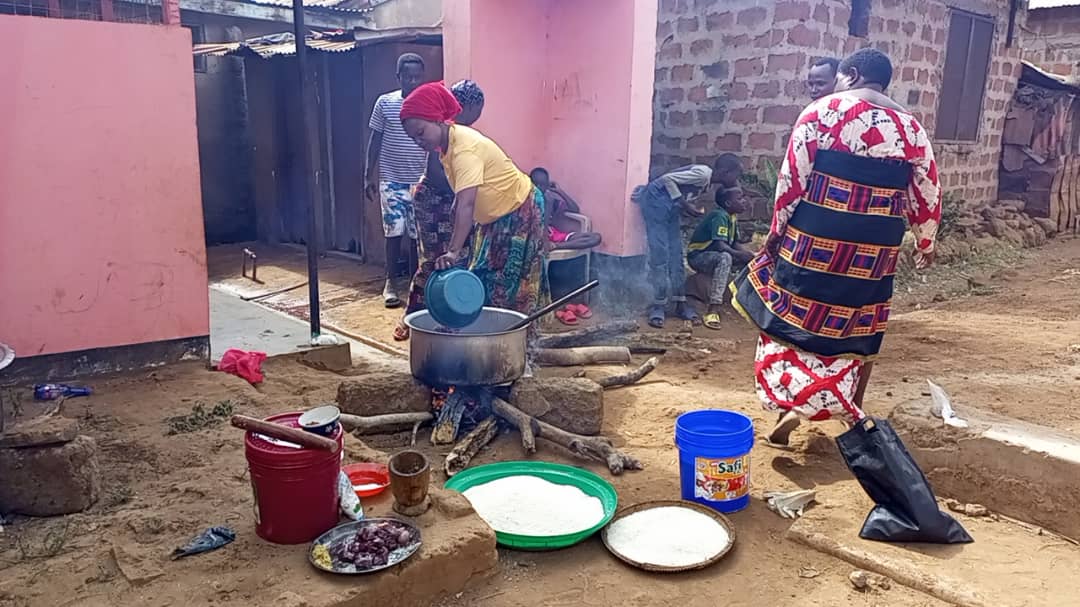
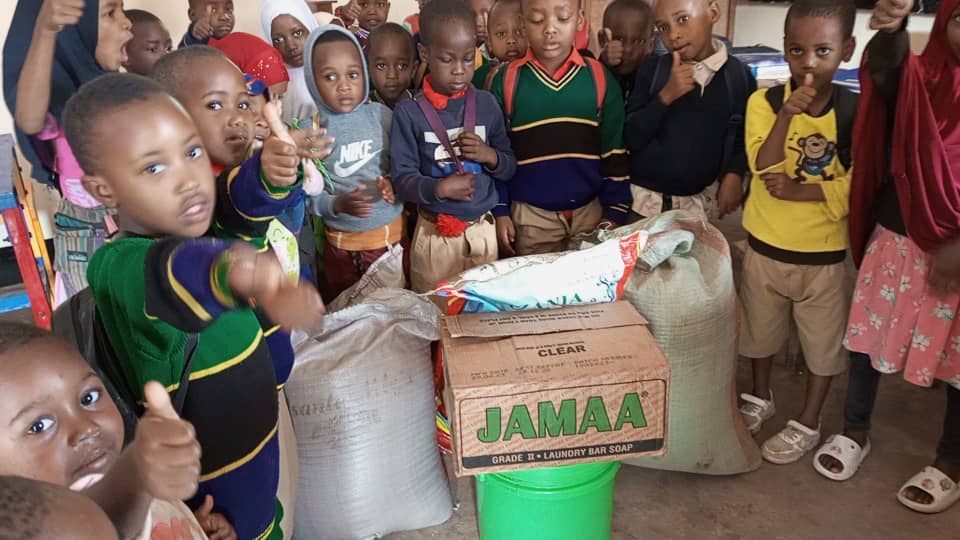
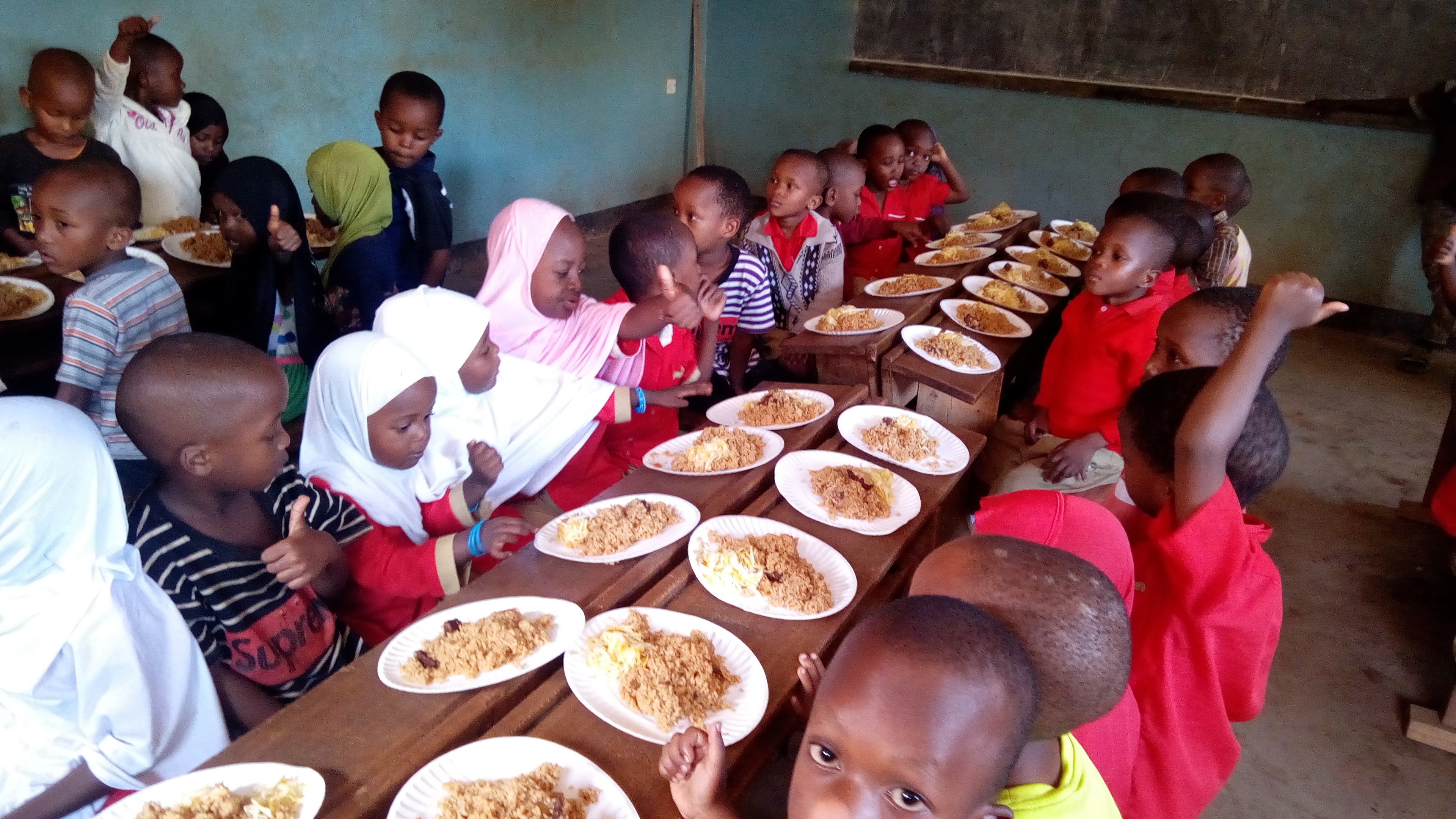
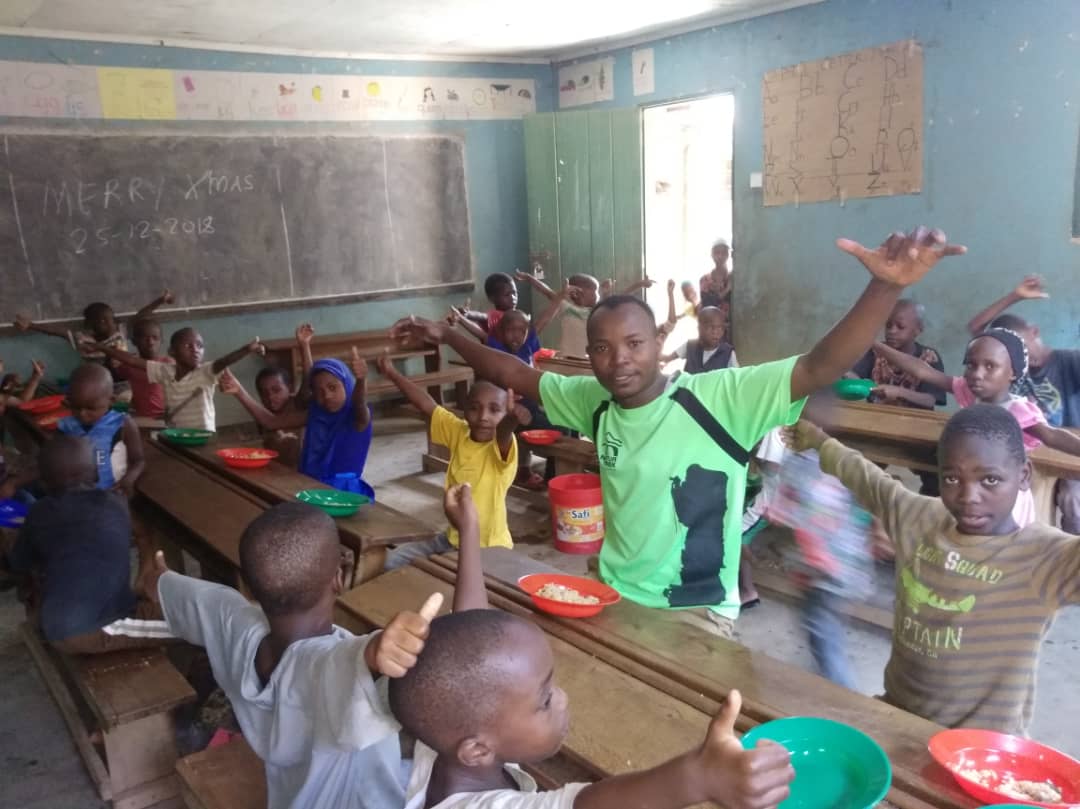
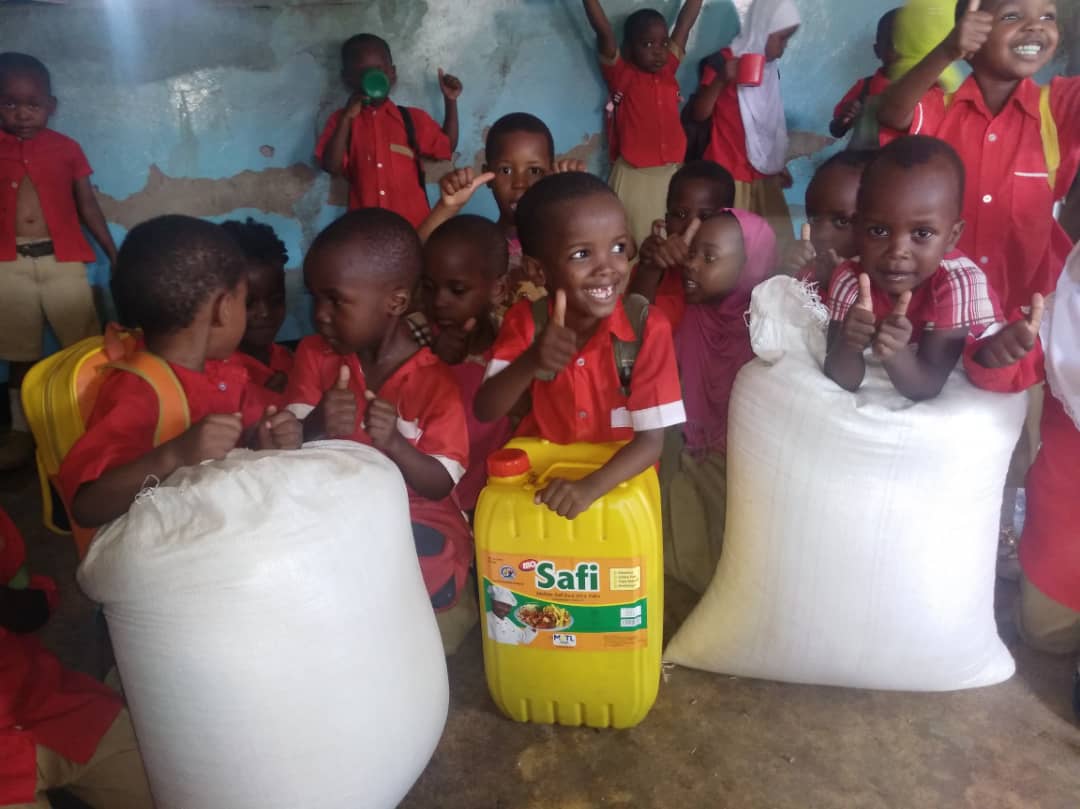
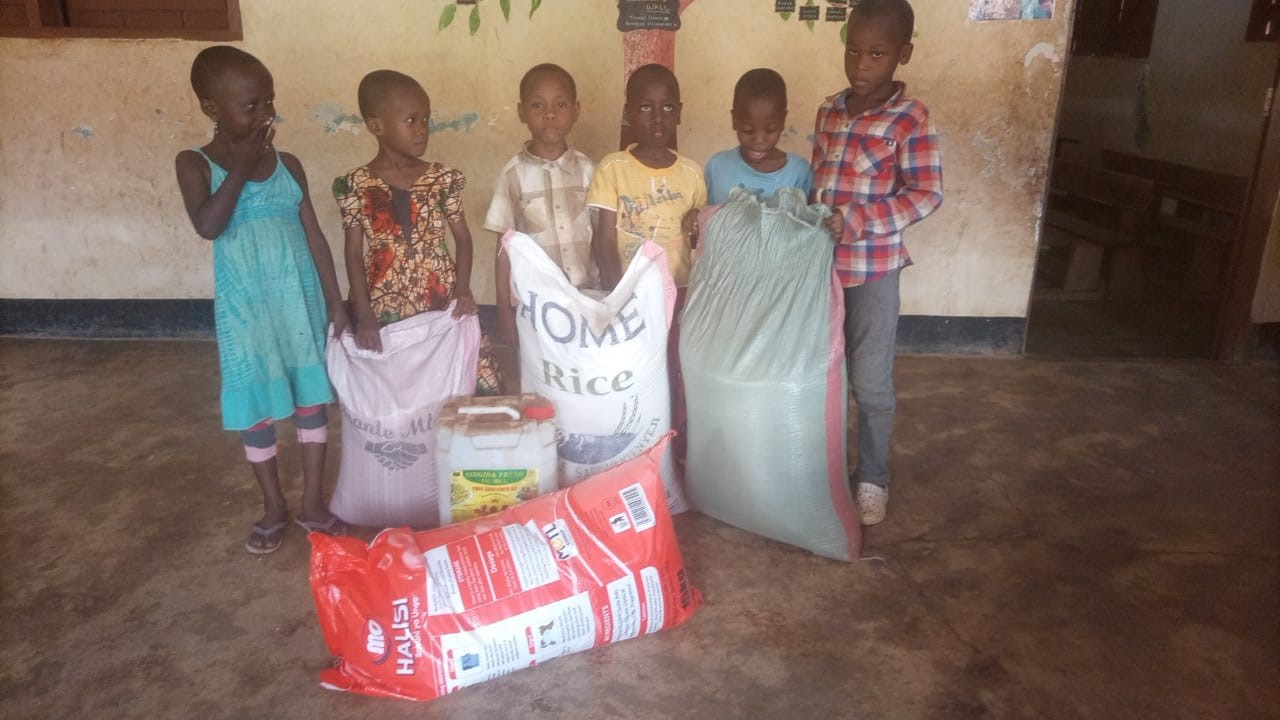
To provide lunch for the children at our school during school days.
To support these poor families in order to educate their children for the benefit of our next generation nation wide.
Project challenges
Teaching and learning materials.
Text books, exercise books, desks, pencils, school uniforms and sports equipment.
We need a piece of land to build new and modern classrooms.
Community activities
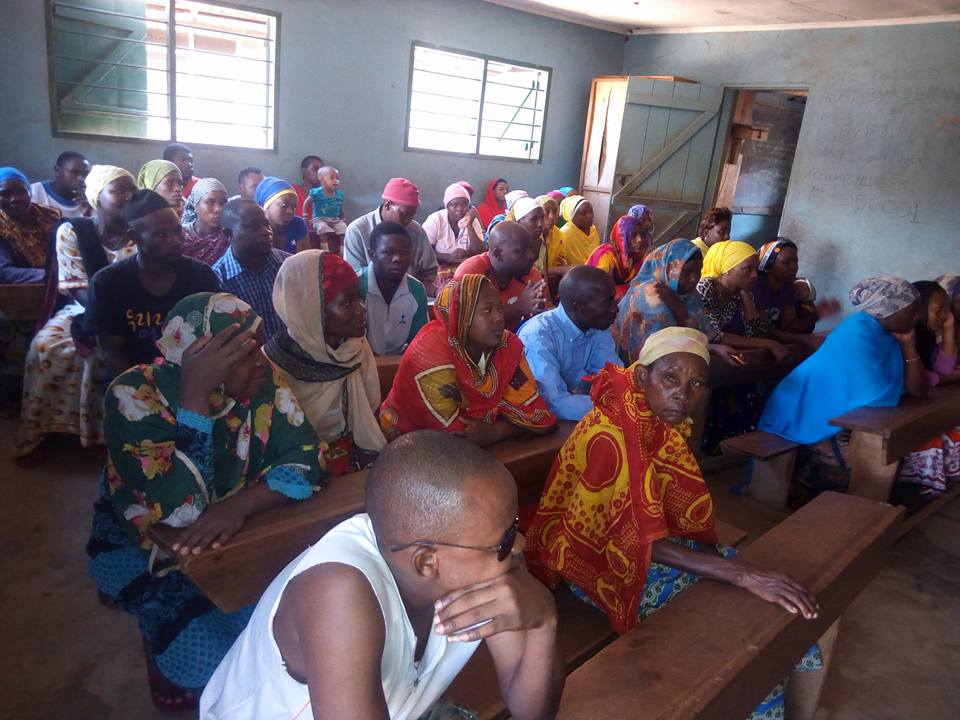
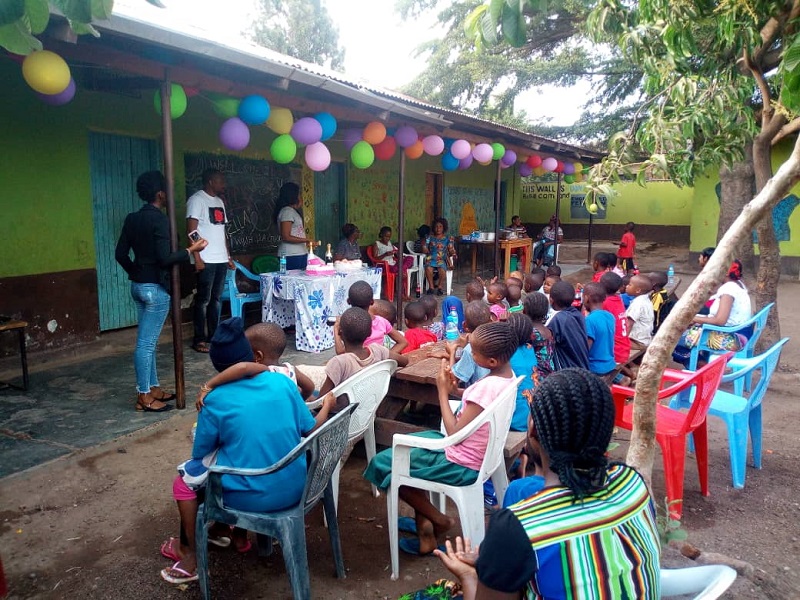
We are grateful to the Kaloleni ward leaders for co-operating with their people to collect money, which we use to
pay rent for the house which we are using as classrooms.
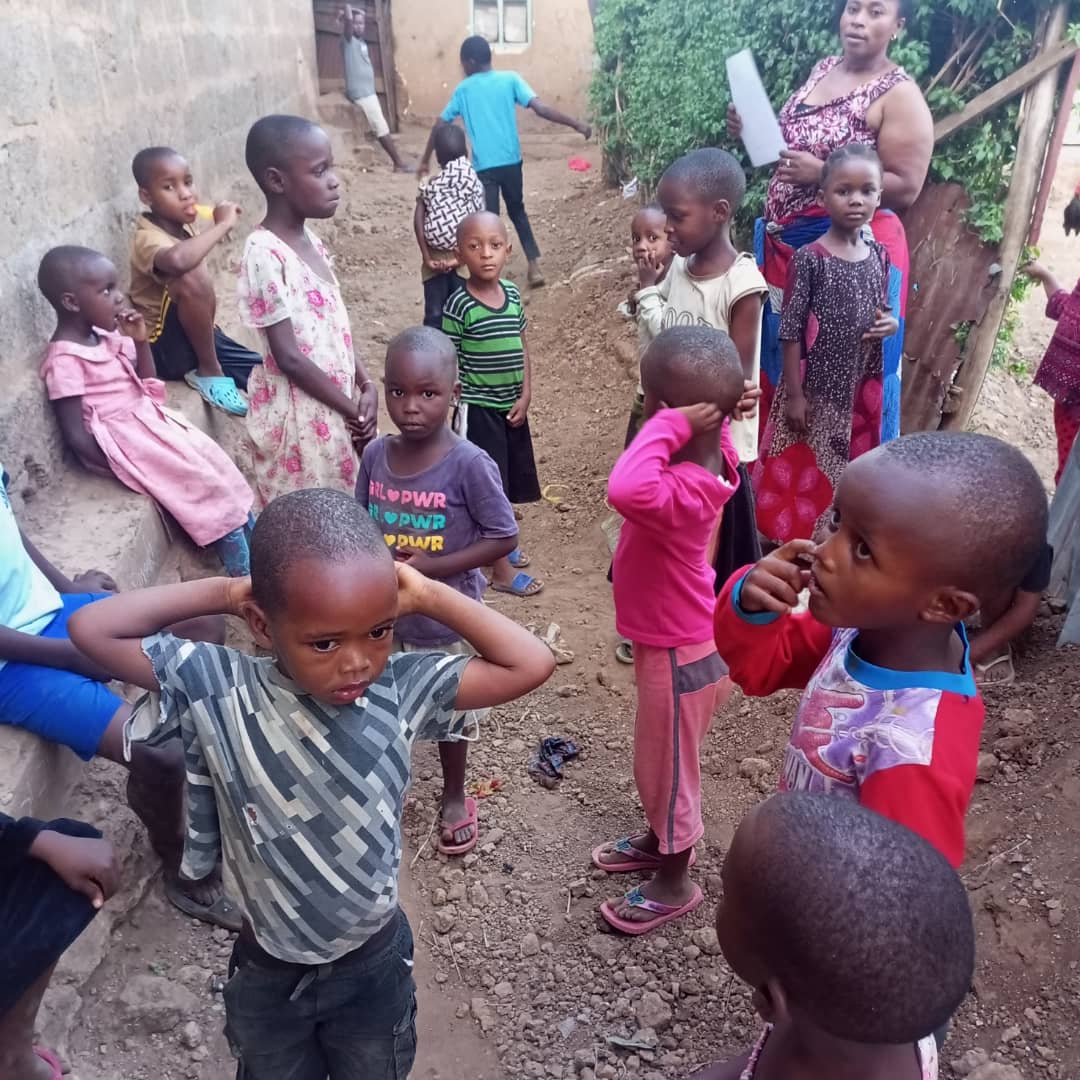
Due to the low income of the local population this work is not easy. Most of our kids are living with their grand parents and guardians
most of whom are jobless.
Sponsors
The administration of the school is looking for people, who are able to support the education of these children for the
benefit of future generations.
Contact
If you are able to help us, please feel free to contact us at any time.
Thank you in advance.
Kili Hope Organization Center - Kaloleni.
P.O.BOX 7438 MOSHI KILIMANJARO TANZANIA
Phone:
+255 (0) 742 038 396
Email:
stevensadick(at)yahoo.com
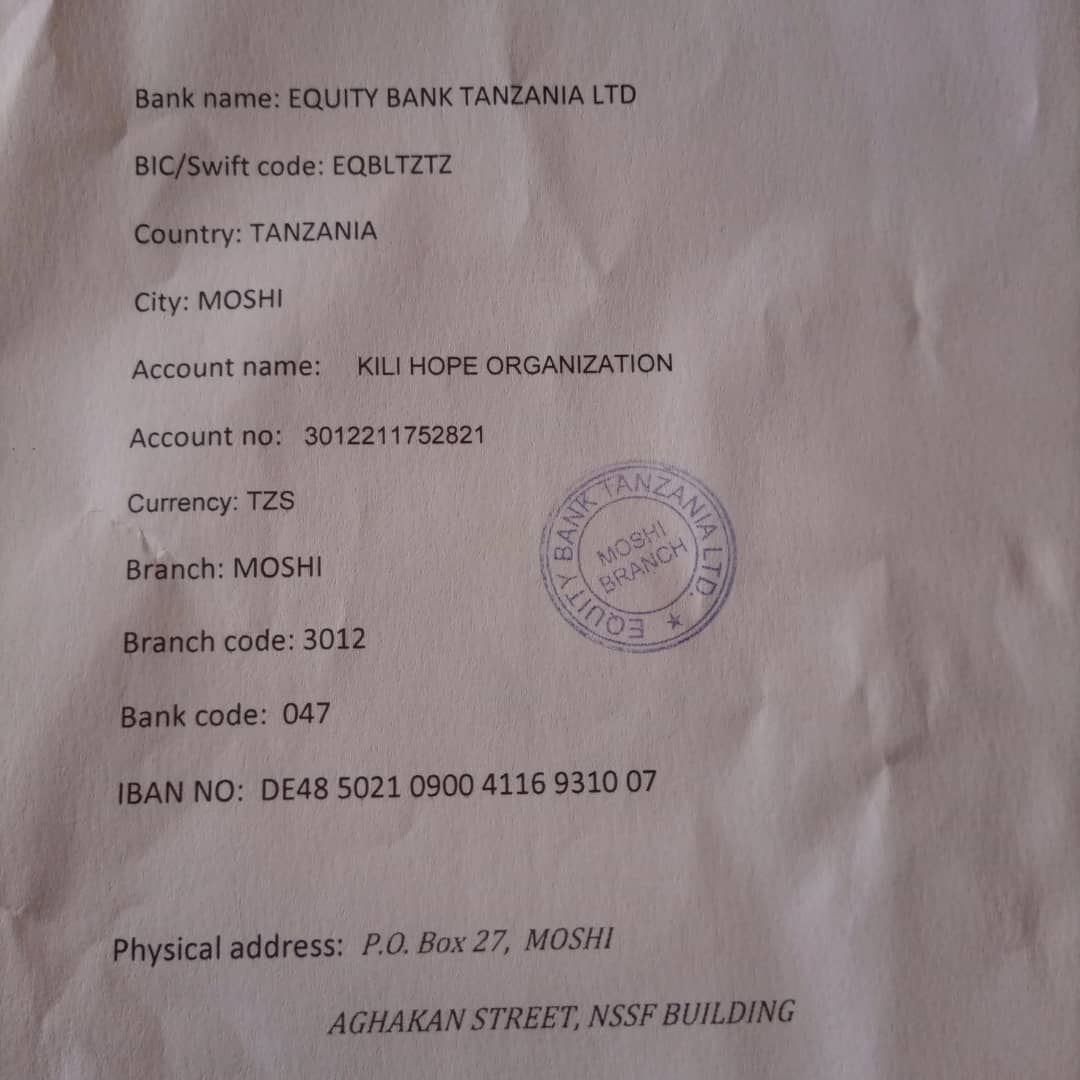
Donations
Bank:
Thank you in advance!
Kili Hope Organization Center - Kaloleni / Tanzania
Kili Hope Organisation Profile
Kili Hope Organisation is a community-based organisation in Tanzania dedicated to creating positive change through education, volunteerism, community development, and social support initiatives. Based in Moshi, Kilimanjaro, Kili Hope works closely with local communities to empower children, youth, and vulnerable groups by providing meaningful opportunities for growth, learning, and sustainable development.
Founded with the belief that small actions create lasting impact, Kili Hope connects local needs with global support through volunteer programmes, cultural exchange, and grassroots community projects.
Our Mission
To empower communities through education, volunteer engagement, and sustainable development initiatives that create long-term social impact.
Our Vision
A future where every child, young person, and community has access to opportunities, support, and hope for a better life.
Our Core Focus Areas
Education Support – Supporting schools, children, and youth through teaching assistance, educational activities, and mentorship.
Volunteer Programmes – Hosting local and international volunteers who contribute skills, time, and knowledge to community projects.
Community Development – Supporting local initiatives that improve livelihoods, awareness, and social well-being.
Child & Youth Empowerment – Creating safe and supportive spaces for young people to learn, grow, and develop confidence.
Cultural Exchange – Promoting mutual understanding by connecting people from different backgrounds through shared experiences and community involvement.
What We Do
Kili Hope Organisation works on practical, community-driven projects designed to make a real difference. Our activities include:
Organising volunteer placements in schools and community programmes
Supporting children’s learning and development
Running youth empowerment and mentorship activities
Assisting with community outreach and awareness projects
Promoting cultural exchange and responsible volunteering
Partnering with local communities to identify and respond to social needs.
Our Approach
At Kili Hope, we believe in collaboration, inclusion, and sustainability. We work hand in hand with local communities to ensure every project responds to real needs and creates meaningful, lasting impact. Our approach values dignity, partnership, and cultural respect, ensuring that support is both responsible and effective.
Why Kili Hope
Kili Hope offers a personal, community-rooted experience for volunteers, partners, and supporters who want to make a genuine difference. By combining local knowledge with international collaboration, we create opportunities that are impactful, ethical, and mutually enriching.
Get Involved
Whether you are a volunteer, donor, partner, or supporter, Kili Hope welcomes individuals and organisations who share a passion for community impact and positive change. Together, we can build stronger communities and create lasting hope.
Kili Hope Organisation(KIHOO) is a non Profit Organistion, Non-Governmental Organisation. Situated
in Moshi Municipal,Kilimanjaro,North Tanzania.Kilimanjaro is among the 28 Regions in Tanzania
covering an estimated land surface of 13,250km2 and a population of approximately 1,640,087(2012)
inhabitants. It is largely rural area with one of the best natural endowments of any Region in the National
territory. Where the main occupation is Agriculture, Animal husbandry, Business and Tourism. However
the National Development Index ranks the area among midst developed regions in the country, with
limited infrastructure, a high birth rate, high unemployment as well as high level of HIV/AIDS
transmission and wide spread of poverty. This distressing situation prompted the formation of Kili Hope
Organisation (KIHOO) in 2012 with the aim of addressing the social problems caused by such poverty.
The NGO has been operating since 2012 without being officially legally registered until June 2021 being
officially registered and given following registration number No.07/NGO/R/1940.KIHOO act
as bridge striving to assist in the development of children and women and the community at large who are
situated in Kilimanjaro Region. The overriding purpose of the KIHOO is to work in partnership with
other community organization and individual in order to promote self-reliant activities through local
initiative reducing poverty and instigating actions towards development.
In addition to work towards alleviating the wide spread poverty experienced by the community
members.KIHOO initiated a project of its own with the supports from Individual donors from outside
the country in the year 2012,KIHOO set up a Children Centre for children aged 03 years to 07 years old
in Kaloleni ward.The specific aim of the Children Centre is to provide education to Orphan and
Vulnerable Children(OVC).We started with 50 children currently we have more than 90 children though
the aim is to have 150 children considered as OVC.The centre has allowed for OVC to gain access to free
quality education within un stigmatized environment.KIHOO considers the centre as an optimal way by
which these children can be integrated into society.In addition to providing OVC with necessary
education,the centre allows less privileged children to be identified and brought together for self-help
courses.
Summary of the Kili Hope Organisation Activities
Education
We offer free quality education to Orphan and Vulnerable Children(OVC) include( early childhood
education,psychosocial education,HIV/AIDS education and other diseases education).Providing these
children with an opportunity to be re integrated into the school system and society thus leading them
towards a brighter future.
Advocacy
KIHOO works towards sensitizing the masses especially womens and children on importance of
education and significant work of NGOs work concentrates on the integration of less privelaged children
into the society through life skills training creating awareness on varous gender issues and women
empowerment.This will be done through womens groups and other patners in Kilimanjaro and outside.
Development
NGO is involved in the grass root development through local initiative and self reliant programs for
example what happen now in Kaloleni and Shabaha children centre s we encourage networking activities
and women groups.
Since KIHOO began working in the field of development it has ensured the realization of the following
Projects
-Health Insurance project for more than 90 children in Kaloleni Centre.
-Education to more than 90 children In Kaloleni Centre.
Education to more than 45 children in Shabaha Centre.
In addition this projects is proposed to continue to high education if we will receive enough fund to
extend it and also to benefit more children.
Context and Justification
The children Centres was created in 2012 with priority focus to identify and provide education to Orphan
and Vulnerable Children (OVC). The OVC rate is increasing in Kilimanjaro due to the effect of
HIV/AIDS and other common diseases like malaria also due to current global pandemic (COVID-19).The
diseases has caused many children to become Orphans and vulnerably affected. Many Orphans do not
have the necessary means to attend to schools and lack of affordable training before and after primary and
secondary school because their parents are no longer alive to support them, Often this situation lead
many to seek marriage at early or sexually abused for young girls or to look for an easy means to help
themselves through child labor .In addition the harsh conditions that inhabitants within the Kilimanjaro
Region have to face in their daily lives such as long-term illness ,lack of infrastructure ,sanitation and
running water means that the number of children considered as vulnerable is significant. It is this dim but
very real situation that stimulated KIHOO to take actions.
RISE OF THE PROJECT
KIHOO identified the need for Children Centre that provide Orphans and Vulnerable Children (OVC)
with the learning structure that ensures free quality education of practical nature within a nonstigmatized
environment .The children Centre of Kaloleni ward its now its ninth year this provides an
indications that KIHOO is full filling of their core competences ,integrating less privileged into
society.But the aim of the project is to take them to their higher dream.
CURRENT PRESSURE IN THIS PROJECT
Currently KIHOO is paying heavy rent for center’s premises with limited means and the premises
are small compare to the need of the need of the project and change in situation due to the Global
pandemic. In addition we proposed to have new place with enough space to create more room for
project to help more OVC to reach the aim of the project.
Limited source or insufficient income to run the whole project as it intended like to support
children to higher level education and lack of study tours or trips for children twice per year.
The side effects of the Global Pandemic have placed a lot of the pressure to the project almost in
all aspects for instance the increasing number of OVC and high unemployment rate and so much
more.
Lack of permanently internal source of income to run the project when all the the external source
are not there this threaten the future of the project.
BENEFICIARIES
The direct beneficiaries are Orphans and Vulnerable Children (OVC) across Kilimanjaro Region and on
other side is the whole community of the whole region.
“Together we will never leave behind any Orphan and Vulnerable Children Behind”
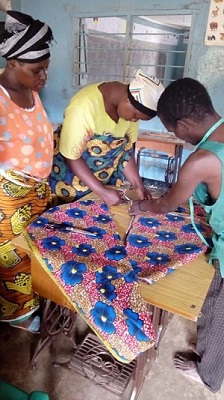
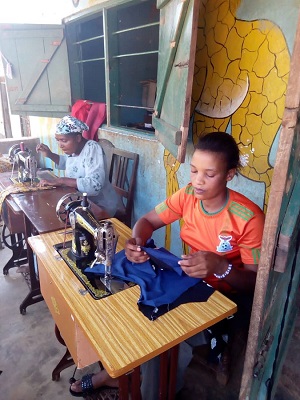
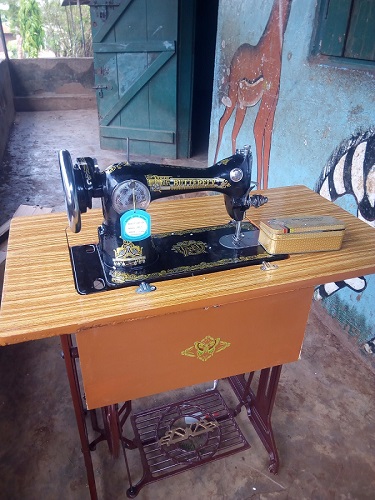
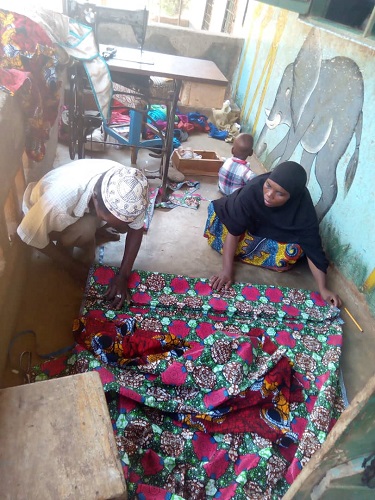
DEVELOP ALL YOUNG COMMUNITYSTITCHING AND TAILORING JUNE 2017/JUNE2018 DYCOM
Purpose
- The Compelling Need In a nation like ours, women are generally treated as second-class citizens and seen as someone to look after the home and bear children. The project area is characterized with a typical rural setting with most of the men folk involved in agriculture or unemployment. The women and girls of the area are mostly involved in household chores, does not have any say in the family affairs. Excluded from receiving higher education and entirely dependent on their male counterparts, they have to bear the brunt of most of the evils like dowry, domestic violence etc. Being a patriarchal society, women and girls are not allowed to step out of their houses which lead to lower educational status, low confidence to face the world. In view of the financial constraints that a family faces, this skill-building program strives to empower the women, and community at large. It was observed, if some kind of skill is imparted to the women, it would give them more avenues to earn their living. The program will also help them to raise their voice against the ill treatment accorded to them within the family or outside. Hence, vocational training program (stitching & tailoring) will enable the rural women and girls to learn and enhance their skills, enhancing their confidence level by making themselves reliant.
Project Area
KALOLENI WARD AND NEARBY AREAS OF PASUA WARD
Project Aim
To empower the women and equip them with tools to become self-reliant through stitching and tailoring skill up gradation program.
PROJECT OBJECTIVES
To promote employment oriented skill, up gradation training to the adolescent girls and ladies from the community
To use these groups as a platform for generating awareness on social issues
To encourage self employment by acting support agency for providing necessary help
To certify and to liaison with the trained institutes in order to strengthen training placements opportunities for the trained girls and ladies
PROJECT METHODOLOGY
Mobilization: Reach out to the potential beneficiaries through mobilization and outreach initiatives encouraging women and girls enhance their skills by enrolling for stitching and tailoring
Training preferences: Three months training course of stitching for the beneficiaries as per their interest and feasibility
Exposure Trips: Skill enhancing exposure trips for the beneficiaries to improve their selling & negotiation skills
Recognition: Post successful completion of the course, certificates disbursed to the beneficiaries
Project Target Group
Women and Girls from the KALOLENI WARD
Total beneficiaries
20-30 students (inhouse )
Project Area
KALOLENI WARD
Project Tenure
From JUNE 20, 2017 to JULY 31, 2018
Project Description
Women have always been marginalized and relegated to the status of subjugated class in the Indian society. Especially in rural areas, women have not actively participated in their emancipation due to their lack of economic independence and illiteracy. Women should be organized and strengthened at the grass root level to end their subordination. Develop All Young Community (DYCOM) is making an attempt in that direction to make rural women self sufficient through sewing training centers. The main aim of this program is to enhance the quality of life of women through increased knowledge and skills. DYCOM also realized that merely imparting literacy would not be sufficient .The women need vocational training or skills also to uplift their status. They should be able to stand on their feet and be an earning member of the family.
Project Output
Need based curriculum to enhance the skills of the women beneficiaries.
To impart skills to the target beneficiaries.
Enhanced awareness on social issues through seminars and educational exposure.
Exposure visits to broaden their horizon and aware them on the latest trends in the market.
Measure and monitor beneficiary performance & certify the skills.
Regular follow-ups during and post completion of course to assess their social and economical impact.
Project Reporting The project reporting would include Quarterly Progress Report, Quarterly and Annual Financial Reports and Annual Report (summary of the project impact)
Project Reporting
The project reporting would include Quarterly Progress Report, Quarterly and Annual Financial Reports and Annual Report (summary of the project impact)
FINANCIAL DETAILS
BUDGET
STITCHING AND TAILORING PROJECT
Funding Agency:Good wishers of the Organisation
Period of the Project:20th June 2017 to 31stJuly 2018